Every purchase helps a

If you’ve ever owned a dog bed for more than a few months, you know the routine. It starts off fine. Clean. Neutral. Acceptable in your home. Then slowly — almost without noticing — it happens:
-
The smell creeps in
-
Hair clings to the fabric
-
The cover needs to be removed… again
-
And no matter how often you wash it, it never really feels clean
Most dog parents assume this is normal. It isn’t.
The real reason dog beds get dirty so fast
The issue isn’t your dog. It’s what most dog beds are made of.
Traditional dog beds rely on:
-
porous fabrics
-
absorbent foams
-
removable covers that trap moisture, oils, and odour
Every time your dog lies down, those materials absorb:
-
natural body oils
-
dirt and pollen
-
moisture from paws or coats
-
odour-causing bacteria
Once those elements get into the fibres and foam, washing the cover only solves part of the problem. The smell and bacteria often remain deep inside the bed.
That’s why beds start to smell again within days, covers need constant laundering and dog beds are replaced far more often than they should be.

Why washing doesn’t actually fix the problem
Washing feels like the solution — but it’s usually just damage control.
Frequent washing leads to:
-
shrinking or misshapen covers
-
broken zippers and seams
-
flattened or uneven padding
-
a bed that looks tired long before it should
And eventually, many dogs end up sleeping on a bed that:
-
no longer supports their joints properly
-
traps heat
-
and sits directly on the cold, hard floor
At that point, the bed isn’t doing its job — for your dog or your home.
The problem no one talks about: poor sleep
Dogs spend the majority of their lives sleeping. When a bed, overheats, loses structure or provides uneven support it can disrupt rest, recovery, and comfort — especially as dogs age. A bed should do more than give your dog somewhere to lie down. It should actively support good sleep and long-term health.
What actually works instead
The solution isn’t more washing.
It’s choosing materials that don’t need it in the first place.
That’s why Le Bed was designed differently from the start. Instead of fabric covers, Le Bed is made with:
-
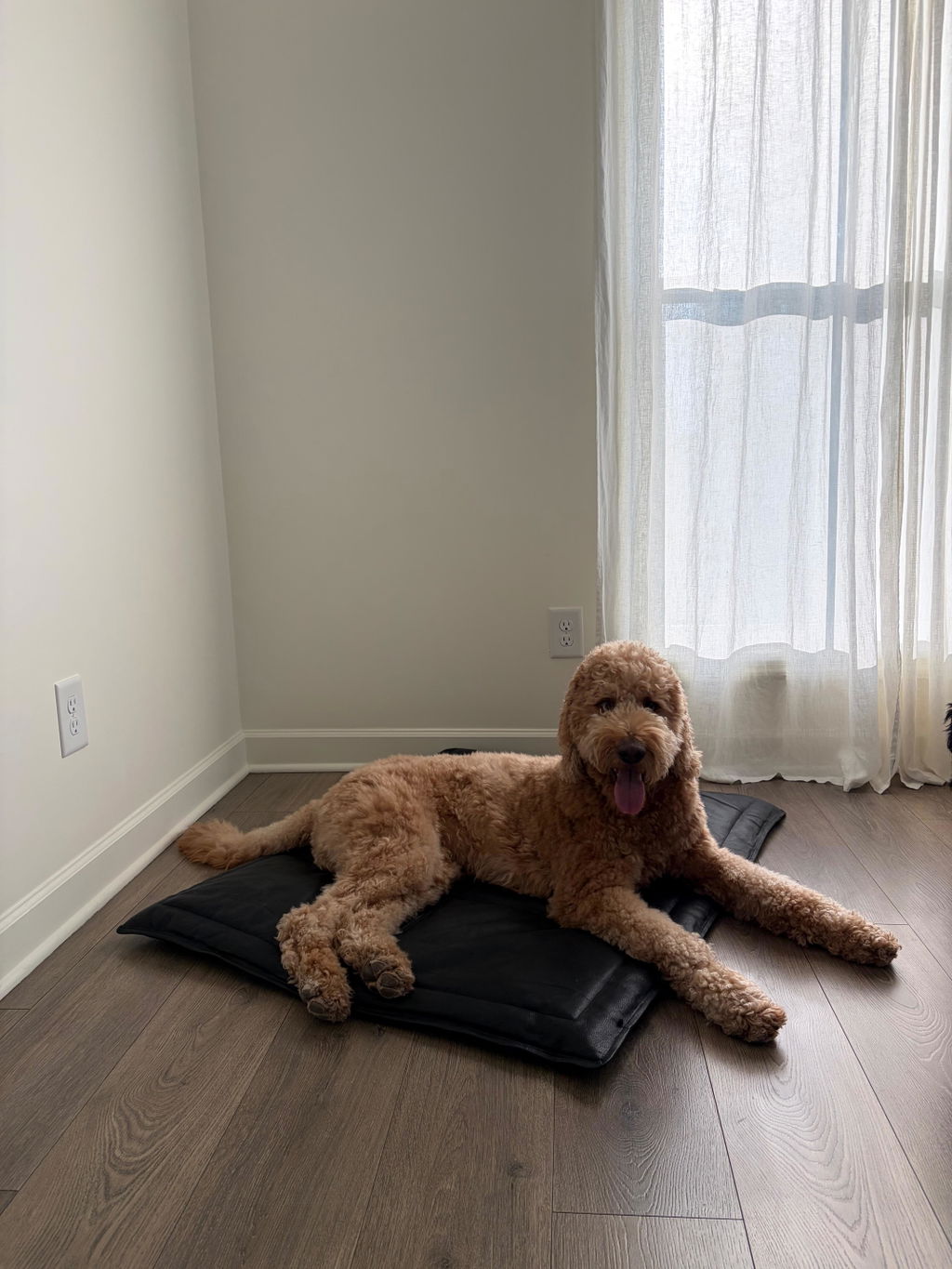
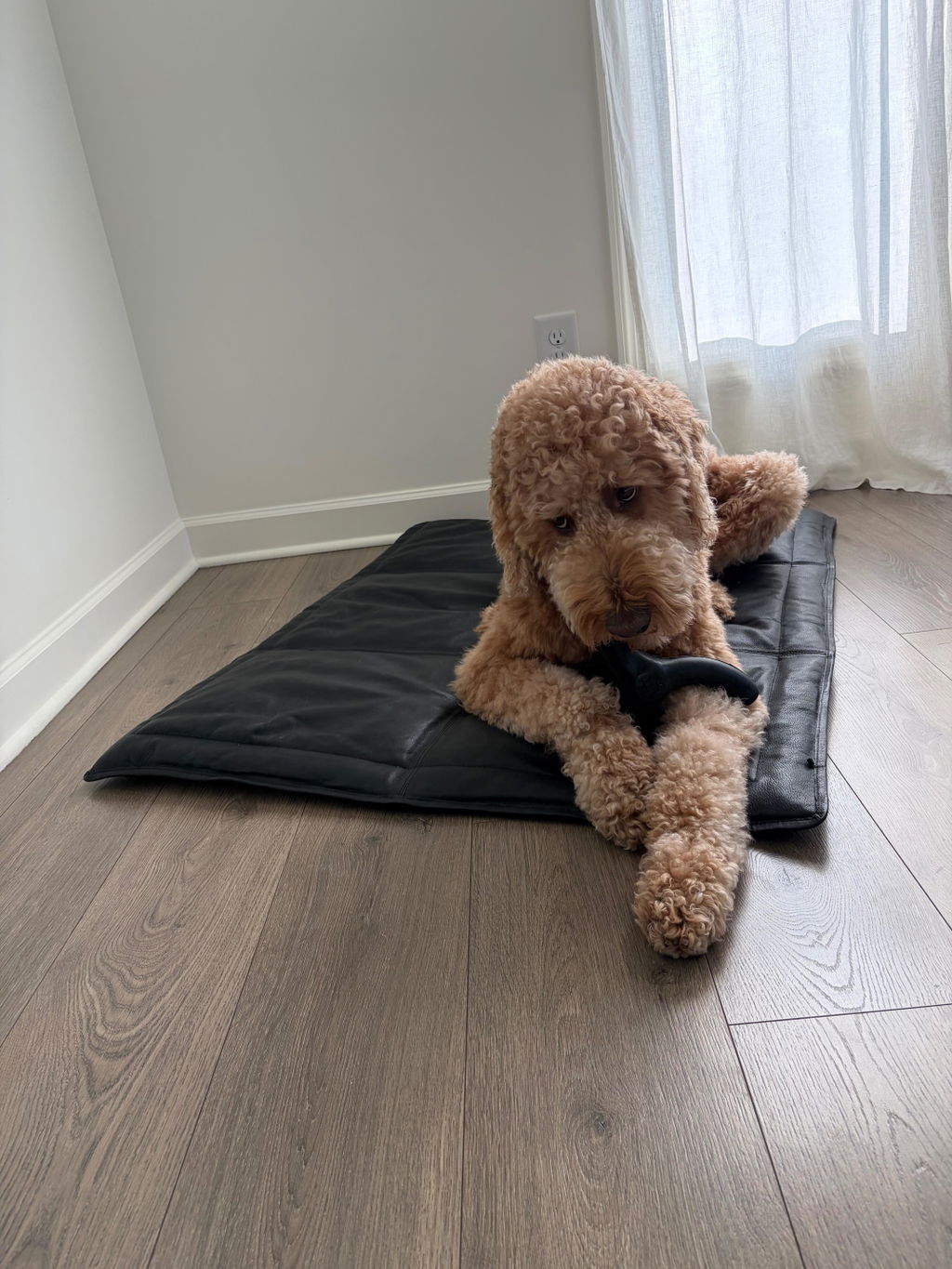
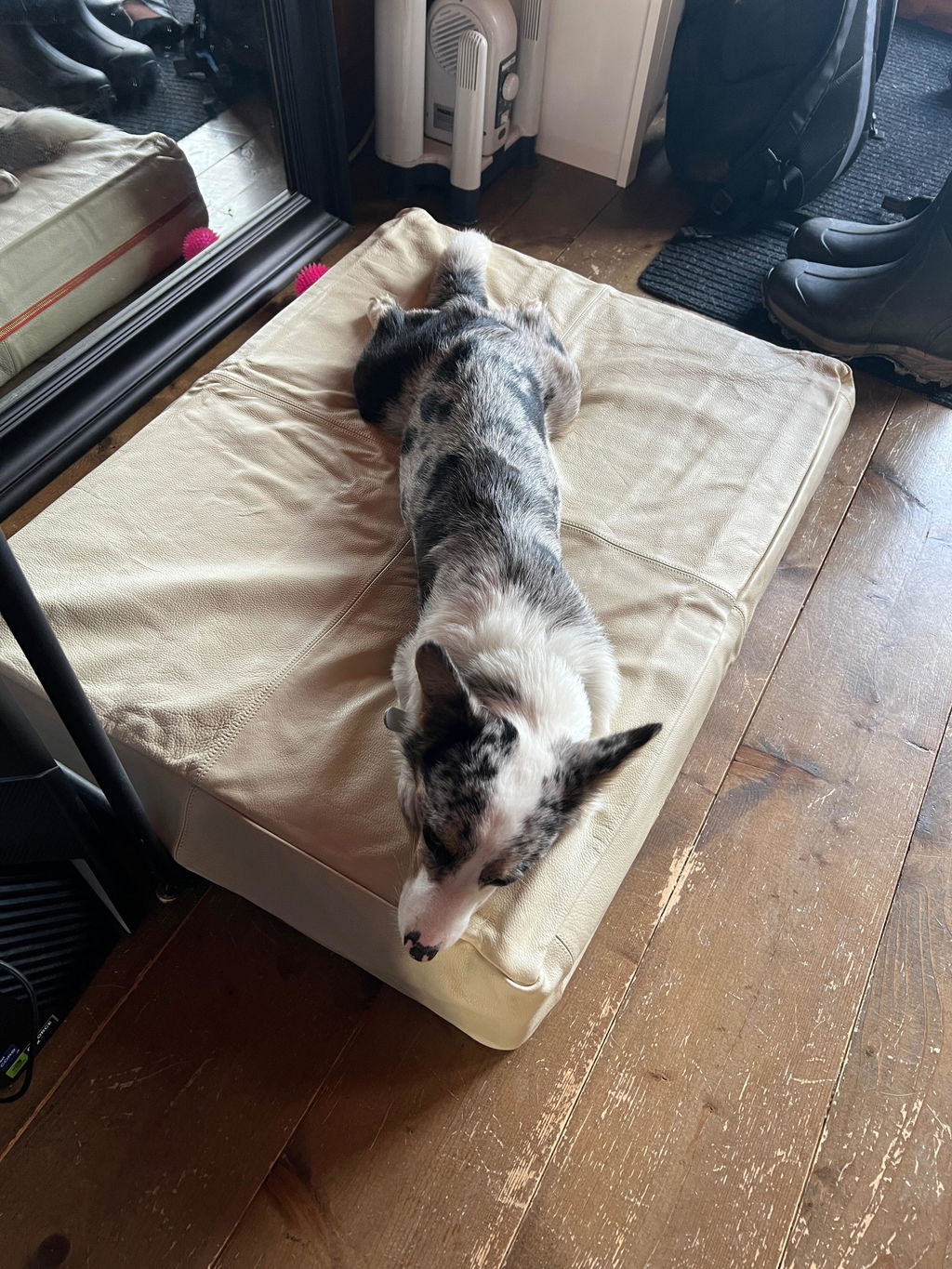
premium leather that is naturally hypoallergenic
-
a surface that resists odour and hair buildup
-
and is a simple wipe-clean design
There are no covers to remove. No weekly laundry routine. No lingering smells trapped beneath the surface.

Why leather makes the difference
Leather isn’t just a design choice — it’s a functional one.
Unlike fabric:
-
it doesn’t absorb odours
-
hair doesn’t cling to it
-
moisture sits on the surface instead of soaking in
A quick wipe with a damp cloth is usually all it takes to keep Le Bed clean. And because the leather is durable, it doesn’t break down or look worn after repeated cleaning. In fact, it develops character over time — much like a well-loved leather sofa.
Clean is only half the story
Underneath the leather, Le Bed features a 6" dual-foam orthopaedic mattress designed to:
-
support joints and bones
-
keep dogs elevated off cold floors
-
and promote deeper, more restorative sleep
The top layer includes cooling gel memory foam, paired with breathable leather, to help regulate body temperature — another common issue with traditional fabric beds.
Designed for dogs and homes
Most dog beds are designed to be hidden.
Le Bed was designed to belong.
With clean lines, neutral tones, and a furniture-like silhouette, it looks intentional in your space — not like something you rush to move when guests come over.
Because a dog bed shouldn’t detract from your home. It should complement it.

The bottom line
If you’re tired of:
-
washing dog bed covers over and over
-
replacing beds every year
-
and accepting smells as “part of dog ownership”
It may be time to stop treating dog beds as disposable.
Le Bed was designed to be the last dog bed you buy — cleaner, more supportive, and made to last for years.
Because better materials mean fewer compromises — for you and your best fluffy friend.